Intensive outpatient alcohol treatment Connecticut
Intensive outpatient alcohol treatment in Connecticut gives structured therapy without overnight stays. Statewide, 76 facilities listed on SAMHSA FindTreatment.gov offer this level of care. The guide covers who IOP fits and how to pay.
- programs in Connecticut
- 76
- take Medicaid
- 68
- take private insurance
- 76
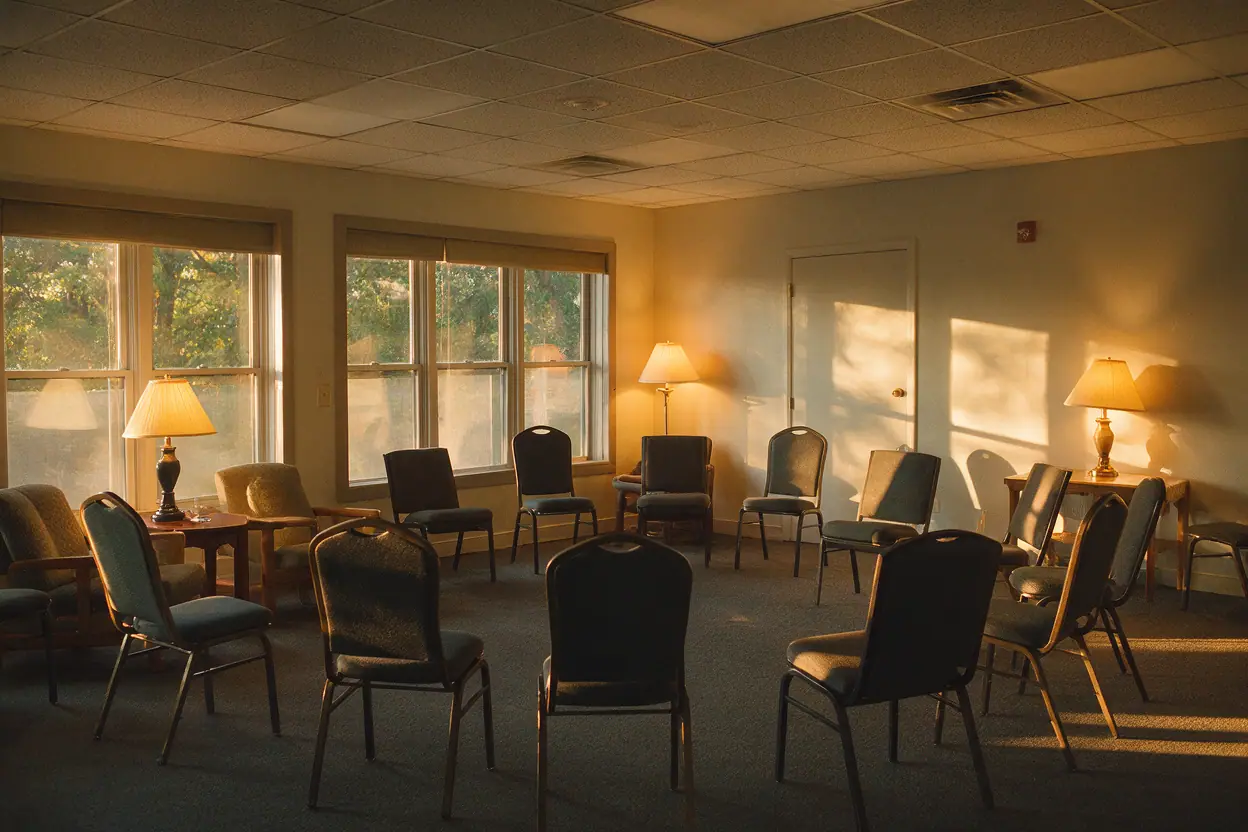
Intensive outpatient programs (IOP) provide several hours of group and individual therapy weekly, usually over three to five days, with a few hours per session. They fit people who need more than weekly counseling but not 24-hour supervision. Connecticut alcohol rehab centers that offer IOP let you stay home during structured treatment, so you can keep working or care for family. Sessions often include cognitive behavioral therapy, motivational enhancement, and family education, centered on coping skills for daily life without alcohol.
A usual day may start with a check-in group in the morning, then a therapy session focused on triggers and preventing relapse, and wrap up with a workshop or peer support meeting. Evening options are available for those working daytime hours. Most call for 9 to 15 hours weekly. Many intensive outpatient alcohol treatment programs in Connecticut offer telehealth too, with 71 of the 76 IOP facilities providing remote services, making it simpler to fit care around a job or family duties.
What to expect from intensive outpatient
- 1
Assessment and intake
You will meet with a clinician for an evaluation to determine the appropriate level of care, usually lasting 60 to 90 minutes. They will ask about your drinking history, medical background, and mental health needs, and may use standardized tools to guide recommendations.
- 2
Treatment planning
Based on the assessment, you and your counselor will develop an individualized treatment plan that outlines goals, session frequency, and types of therapy. The plan may include group counseling, individual therapy, family sessions, and medication management if needed.
- 3
Weekly schedule
Most IOPs require attendance three to five days per week for three to four hours per day, totaling 9 to 15 hours weekly. Sessions are often held in the morning or evening to accommodate work or school. The program typically lasts 6 to 12 weeks, depending on progress.
- 4
Step-down and aftercare
As you progress, the intensity of treatment may decrease, and you may transition to standard outpatient care. Aftercare planning includes connecting you with support groups, sober activities, and continued counseling to help maintain gains after the program ends.

Who intensive outpatient treatment fits
- Adults who need more than weekly therapy but not 24-hour care. If you have tried standard outpatient counseling and still struggle to cut back or stop drinking, then a more structured program like IOP can provide added support and accountability.
- People transitioning from inpatient or detox back to daily life. IOP offers a step-down level of care that helps maintain momentum after medical detox or residential treatment, with continued therapy while you return home and to work.
- People with a dual diagnosis of alcohol use disorder and a mental health condition. Among the 76 IOP facilities in Connecticut, 73 provide dual diagnosis treatment, allowing both conditions to be treated together.
- Individuals who prefer to live at home while getting treatment. IOP allows you to stay in your community, which can be important for people with caregiving responsibilities or who need to keep working. It is often more affordable than residential care.


Local access and payment in Connecticut
Across Connecticut, 76 facilities listed on SAMHSA FindTreatment.gov offer intensive outpatient alcohol treatment. These programs are spread throughout the state, with concentrations in urban areas like Hartford, New Haven, and Bridgeport, as well as smaller towns. Of these, 68 accept Medicaid, 76 accept private insurance, 53 accept Medicare, and 46 offer a sliding fee scale. When searching for intensive outpatient alcohol treatment in Connecticut, verify that the program accepts your specific insurance plan before enrolling.
Access to care in Connecticut frequently depends on Medicaid. Since the state expanded Medicaid, many low-income adults may be eligible. If Medicaid is your coverage, look for programs that take it; 68 of the 76 IOP facilities do. Without insurance, ask about sliding fee scales, which 46 facilities offer. Free alcohol rehab options in Connecticut may include state-funded or sliding-scale programs, though availability varies by location. It is always wise to call ahead about costs and payment choices.
- take Medicaid
- 68
- take private insurance
- 76
- take Medicare
- 53
- provide a sliding fee
- 46
| Facility | City | Care | Payment |
|---|---|---|---|
| MCCA Inc | Danbury | IOP, Outpatient | Medicaid, Insurance |
| Reid | Danbury | IOP, Outpatient | Medicaid, Medicare, Insurance, Sliding fee |
| McCall Behavioral Health Network | Danbury | IOP, Outpatient | Medicaid, Medicare, Insurance, Sliding fee |
| Natchaug Hospital Inc | Danielson | Detox, PHP, IOP, Outpatient | Medicaid, Medicare, Insurance |
| Community Health Resources | Danielson | IOP, Outpatient | Medicaid, Medicare, Insurance, Sliding fee |
| Newport Academy | Bethlehem | Residential, PHP, IOP, Outpatient | Insurance |
| Newport Academy | Bethlehem | Residential, PHP, IOP, Outpatient | Insurance |
| MCCA | Bridgeport | IOP, Outpatient | Medicaid, Insurance, Sliding fee |
| Chemical Abuse Services Agency Inc | Bridgeport | IOP, Outpatient | Medicaid, Insurance, Sliding fee |
| Mountainside Treatment Center | Canaan | Detox, Residential, PHP, IOP, Outpatient, OTP | Insurance, Sliding fee |
Based on SAMHSA FindTreatment.gov entries. Offerings and payment options can change; call to verify.
Ways to pay for intensive outpatient
Cost is a common concern when seeking care. Of the 76 IOP facilities in Connecticut, 68 accept Medicaid, 76 accept private insurance, 53 accept Medicare, and 46 use a sliding fee scale. If you have insurance, IOP might be covered as a medically necessary service; the Mental Health Parity Act requires most plans to cover behavioral health and addiction care on par with medical care. When verifying coverage for intensive outpatient alcohol treatment, ask if the program is in-network with your plan and what your out-of-pocket costs will be. For people without insurance, Connecticut's Medicaid expansion may provide a path to coverage; eligibility is based on income. Sliding fee scales can lower your payments according to your financial means. Confirm all costs directly with the facility before starting treatment.
FAQ
What is intensive outpatient alcohol treatment in Connecticut?
Intensive outpatient alcohol treatment in Connecticut is a structured program that offers several hours of therapy each week while you remain at home. SAMHSA FindTreatment.gov lists 76 facilities in the state providing this level of care. It is appropriate for those who require more than weekly counseling but not 24-hour supervision.
How long does intensive outpatient alcohol treatment last?
The length of IOP varies, but most programs last 6 to 12 weeks, with sessions three to five times per week. Some people may need a longer duration based on their progress. In Connecticut, the 76 IOP facilities tailor the schedule to individual needs, and the program can be adjusted as you advance.
Does insurance cover intensive outpatient alcohol treatment in Connecticut?
Most private insurance plans and Medicaid cover IOP when it is deemed medically necessary. In Connecticut, all 76 IOP facilities accept private insurance, and 68 accept Medicaid. However, coverage details vary, so check with your insurer and the facility about in-network status and any copays or deductibles.
Can I work while attending intensive outpatient alcohol treatment?
Yes, IOP is designed to fit around work or school. Many programs offer evening or morning sessions. In Connecticut, 71 of the 76 IOP facilities offer telehealth, which can provide additional flexibility. You will need to commit 9 to 15 hours per week, so discuss scheduling with the program.
How does IOP differ from inpatient rehab for alcohol?
IOP lets you live at home and attend therapy several times a week, while inpatient rehab requires living at the facility 24/7. Connecticut has 30 inpatient and residential rehab facilities and 76 IOP facilities. IOP is often a step-down from inpatient or an alternative for people who do not need round-the-clock care.
How do I find intensive outpatient alcohol treatment in Connecticut?
A good place to begin is SAMHSA FindTreatment.gov, which lists 76 IOP facilities in Connecticut. Filter by payment options such as Medicaid (accepted by 68), private insurance (accepted by 76), Medicare (accepted by 53), and sliding fee scale (offered by 46). Calling the Connecticut helpline can also put you in touch with treatment advisors who help you locate a program.